

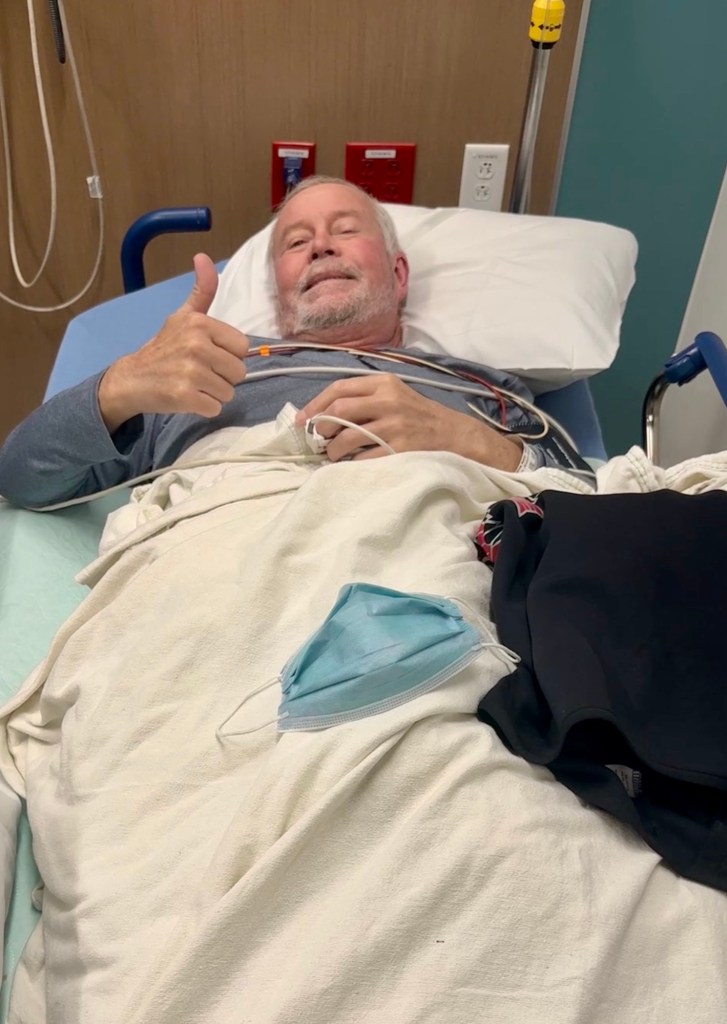
People have been asking how R is doing with his cancer relapse. Endless thanks to you for your care and concern.
This week he starts his 2nd round of chemo—7 simultaneous days, followed by a 3 week break.
The goal of the chemo is to repair his bone marrow enough to get a boost of donor cells, shipped from Germany via an uber-fast medical transport plane.
The hope is the donor cells will replace R’s cancerous ones entirely and forever. We won’t know if the chemo treatment is improving the marrow condition until they do another bone marrow biopsy in 4-5 weeks.
If the chemo isn’t working to improve the marrow condition they could start the chemo regimen all over again.
If it works as intended, he’ll get the donor cells.
If the donor cells don’t stop the cancer from growing they could try the entire stinkin’ process again or start discussion about another bone marrow stem cell transplant—the big one meaning a 4-6 week hospital stay and major chemo that kicks his butt beforehand.
That would require serious consideration. Doing a 2nd marrow transplant so soon after the last one might not be survivable.
Currently, R feels pretty darn good aside from his fatigue and stomach problems. We both remain in good spirits.
If you’re medically curious and up for more reading I thought I’d explain how this cancer works again. People newly diagnosed with MF read this blog. I hope it’s helpful.
PRIMARY MYELOFIBROSIS
The bone marrow contains blood-forming stem cells that act as a blood cell factory. In myelofibrosis, those critical stem cells mutate and become cancerous. Instead of making healthy blood cells in the right numbers, they produce abnormal or not enough cells.
This is how that can affect the patient:
- Too few red blood cells → anemia, causing fatigue, weakness, shortness of breath, dizziness, and the need for blood transfusions. R has this.
- Too few healthy white blood cells (or white cells that don’t work normally) → increased risk of infections. R has this.
- Too few platelets (or platelets that don’t function well) → easy bruising and bleeding. R has this.
- Scarring of the bone marrow (fibrosis), R has this→ the marrow becomes less able to make blood cells, so the body has to find other places to do the job leading to:
- The spleen and liver take over blood production → especially the spleen, which enlarges and can cause abdominal fullness, pain, early satiety, and discomfort. R had this before the transplant.
- The cancer cells release inflammatory chemicals → these can cause night sweats, fevers, weight loss, itching, bone pain, and a general feeling of being unwell. R had most of this.
Someone looking at R might think, “He looks fine.” But what’s happening is that his blood factory is struggling. Even when he appears outwardly well, his body may be working much harder just to make enough blood cells to carry oxygen, fight infection, and prevent bleeding. That’s why people with MF can feel profoundly fatigued or require treatments like transfusions despite not looking obviously ill.
Your prayers and well wishes keep us afloat!
Hugs to everyone.




Leave a Reply